
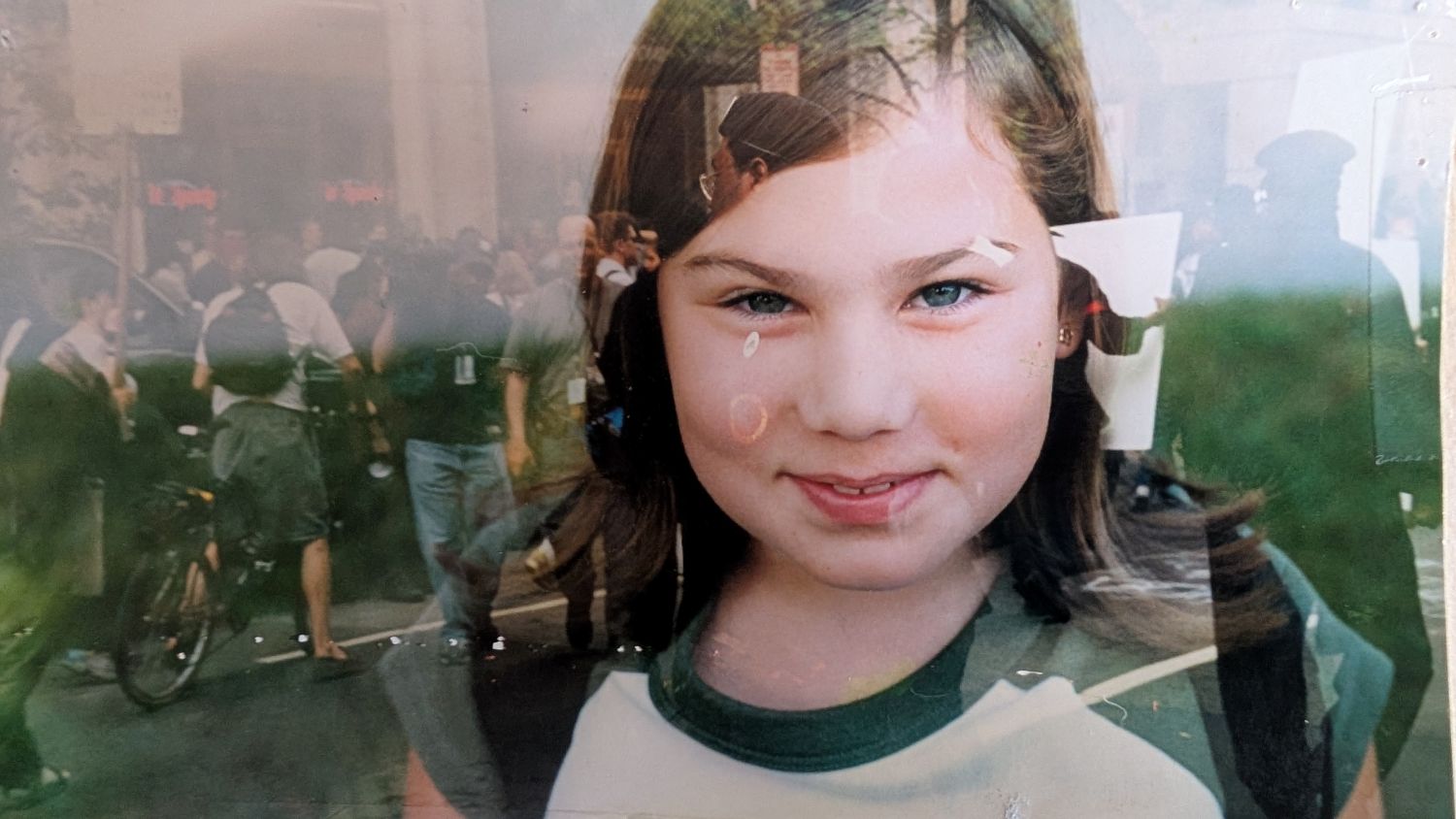
My earliest memory is of a red metal wagon, a little rusty, covered in “No Scab Papers” bumper stickers. My childhood best friend and I remember holding hands from atop our respective dads’ shoulders, above the crowd of marchers. This was the mid 90s, and my parents were boycotting the Detroit Free Press. I didn’t know much about why, but grown ups liked taking my picture holding the signs.
Being a movement kid, or Red Diaper Baby, meant weekends spent at protests and after school meetings that went late into the evening. It meant sticking out in my suburban school because no other kid put “No War” stickers on their notebooks or refused to celebrate Columbus Day. It meant nodding along to hours of lectures about Marx and colonialism. Most of all, it meant losing out on things other kids took for granted – like Twinkies, free time, and certain TV shows.
This is an aspect of raising children in Movement that we don’t talk about enough. Too many of the kids I see come in and out of these spaces are dragged along, sat in a corner, experiencing social justice work as thankless, exhausting, complicated, and dangerous toil. They get all the down sides – you can’t have that, we don’t do this, you have to do this – and aren’t asked to weigh in on decisions that will deeply impact their lives. This means they’re not given agency over, and therefore access to, the benefits of solidarity and communal sacrifice.
Here’s the hard part: Children will not always have the same politics as their parents. In fact, the more anti-establishment you raise them to be, the less likely they are to agree with you about anything. Ask my father, who still calls the former president “Your Friend Obama” because of the one week I spent volunteering for the campaign. No one likes to be condescended to, and when young people come into Movement with naive or liberal ideas about how to make change, we owe them some understanding. When we say that the Movement needs to be more welcoming to newcomers, we can and should start with the young people in our own families.
As a Youth Organizer, it has been the honor and privilege of my life to walk with young people through their political journey. Many of them start out as “Kamala-stans” (super fans) or think their first protest will change hearts and minds forever. Movement work is full of optimism and heartbreak. If we expect young people to stick with it for decades, they need to be supported through the highs and the lows.
I’m now 33 years old and can say I’ve been in Movement for almost all of it. I co-founded a radical childcare collective and a youth-run activist organization. I’m no longer the youngest person in the room at most meetings and events, but I’ll always remember what it felt like.
Growing up in the Movement was often isolating and frustrating, but young people naturally crave justice and leadership. We can and must create a Movement ecosystem that nurtures those developmentally appropriate needs, emphasizes spaces of joy and community, and maintains our radical vision. Maybe, when we do, we’ll finally have a real Movement family.
Julia Cuneo (she/they) is a Detroit based youth organizer supporting social justice campaigns led by high school students. Julia works for and co-founded the innovative youth-run, school abolitionist activist organization Detroit Area Youth Uniting Michigan (or DAYUM) and has over a decade of experience in youth organizing. Julia’s work with DAYUM is focused on building youth power, dismantling adultism in social justice spaces, and developing an abolitionist framework for education justice.